ABC Embroidery Design
A First Look at ABC
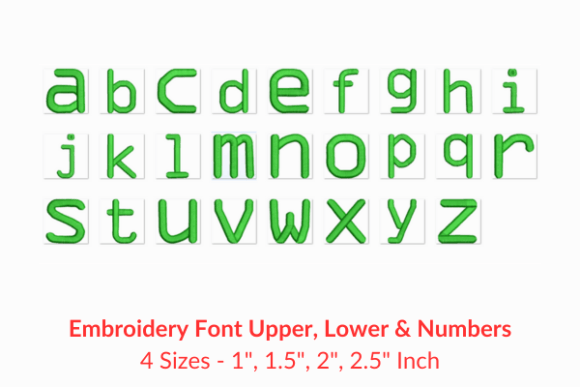
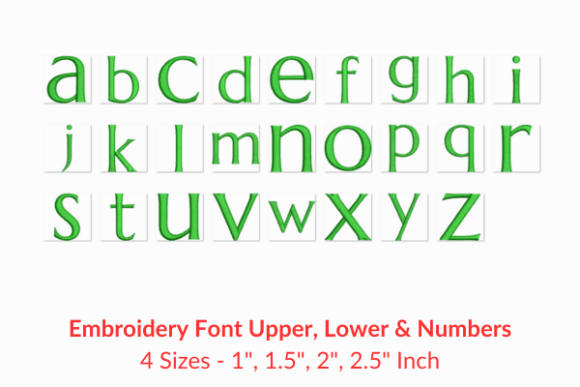
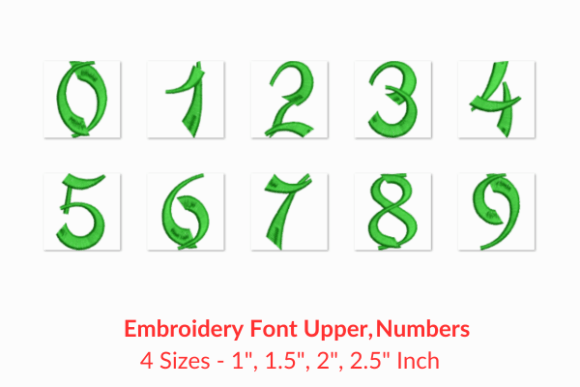
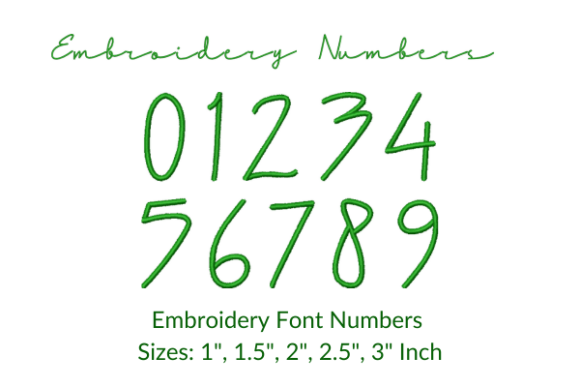
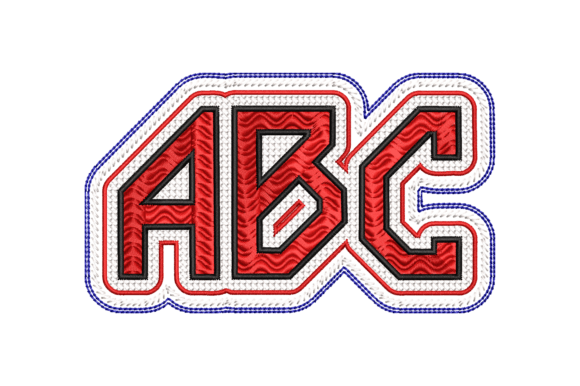
The first time I saw ABC, I was struck by its quiet elegance. It’s not the kind of design that shouts for attention, but rather one that invites you to look closer. The layout is clean, with a soft balance between negative and positive space. There’s a subtle charm in the way the elements are arranged, giving it a sense of sophistication that feels right at home in a school setting.
Design Mood and Use Case
ABC carries a gentle, refined mood that aligns well with educational or youthful environments. Its simplicity suggests it could work on a variety of projects—from personalized school supplies to embroidered patches for student uniforms. The theme appears to be classic yet approachable, making it versatile enough for both casual and formal applications.
I imagine using ABC on a custom tote bag for a school event or as an embroidered patch for a student club. The design’s clarity and lack of overwhelming detail make it ideal for smaller hoop sizes, where intricate details can easily become lost. It also feels like a good fit for fabric items that require a touch of personality without being too bold.
Real-Life Embroidery Performance
When considering how ABC would perform in real-life embroidery situations, a few factors stand out. First, the stitch density is moderate, which means it won’t overwhelm the fabric or cause excessive bulk. This makes it suitable for a wide range of materials, including cotton, linen, and even some lighter fabrics.
However, there are some considerations. On dark fabrics, the contrast may be less pronounced, so testing the design on a scrap piece is essential. Similarly, if you plan to use ABC on curved surfaces like caps or hats, the flow of the design should be checked for any potential distortion. The corners are relatively simple, so they shouldn’t pose a problem for most machines, but those with very detailed edges might want to inspect them closely before committing to a full project.
Where to Use ABC Carefully
While ABC is a solid choice for many applications, there are certain scenarios where it should be used with caution. For instance, small hoop sizes may limit the visibility of the design, especially if it includes intricate patterns or fine details. Textured fabrics could also affect how the design looks once stitched, potentially altering the intended visual effect.
Additionally, stretchy fabrics like denim or knit materials might cause the design to shift slightly during stitching. Dark fabrics, while not inherently problematic, may require careful selection of thread colors to ensure the design remains visible. If the design is to be used on layered garments, such as a shirt over a sweater, the placement of the embroidery should be considered to avoid overlap or distortion.
Impact on Visual Appeal and Product Value
Visual appeal is one of ABC’s strongest suits. The design has a timeless quality that can elevate a basic fabric item into something more meaningful. Whether it's a baby blanket, a holiday gift, or a boutique product, ABC adds a layer of thoughtfulness that resonates with customers looking for something special.
From a practical standpoint, the clarity of the design contributes to the overall value of the finished product. Clear stitching and well-defined shapes make the embroidery look professional, which is crucial for handmade products and small business merchandise. Customers are more likely to trust a brand that delivers consistent, high-quality designs, and ABC seems to meet that standard.
Practical Designer Notes
Before using ABC on a real project, I recommend testing it on scrap fabric to get a sense of how it behaves under different conditions. Check the thread color contrast against the fabric background, especially if you’re working with dark or light tones. Review the stitch density to ensure it’s appropriate for the fabric type and hoop size you’re using.
Inspecting small details, such as tiny lettering or decorative accents, is also important. These elements can sometimes be overlooked, leading to unexpected results. Testing the design in black and white mockups can help identify any issues with contrast or composition. Using proper stabilizer is another key step, especially when working with delicate or stretchy fabrics.
If you plan to sell finished products or digital files based on ABC, make sure you have the correct licensing information. Always confirm whether the design is available for commercial use and whether it’s appropriate for both personal and business applications.
Final Thoughts on ABC
Overall, ABC is a thoughtful, elegant design that offers a great balance between simplicity and style. It’s well-suited for a variety of embroidery projects, from custom apparel to holiday gifts, and has the potential to enhance the visual appeal of any fabric item it’s applied to.
As a designer, I find ABC to be a reliable choice for those looking to add a touch of refinement to their handmade or commercial projects. With a little care and attention to detail, it can become a standout element in your embroidery portfolio or a trusted asset for your craft business.